The Outer Worlds 2: A Cosmic Reflection on Choice, Satire, and the Future of Humanity
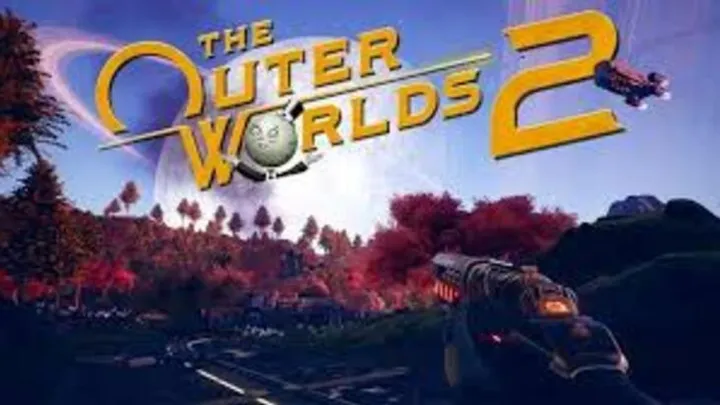
When The Outer Worlds 2 was announced, fans expected another witty, choice-driven sci-fi adventure—but what Obsidian seems to be crafting goes beyond that. This sequel promises not just more of the same but a richer, darker, and more self-aware journey through a galaxy of corporate greed, moral chaos, and cosmic absurdity. In this exploration, we’ll dive deeply into one specific aspect of the game: how it uses satire and moral philosophy to shape both its world and the player’s identity. This is not a guide or a walkthrough—it’s a reflection on how The Outer Worlds 2 turns every joke, quest, and consequence into a mirror for our real-world contradictions.
1. Introduction: The Art of Ironic Space Exploration
From the opening moments of The Outer Worlds 2, it’s clear Obsidian hasn’t lost its edge. The original game skewered corporate dystopias with sharp humor and moral ambiguity, but the sequel doubles down. The trailer itself made fun of typical sequel announcements—acknowledging that “we don’t have a story yet.” That self-awareness defines the tone of the entire experience: a universe that laughs at itself even as it collapses under its own contradictions.
This humor isn’t just comic relief. It’s a defense mechanism—a way for the player to process the impossible choices ahead. In The Outer Worlds 2, laughter isn’t escape; it’s survival.
2. The Rebuilt Universe: Expansion Beyond Halcyon
The sequel leaves behind the Halcyon colony and launches us into an entirely new star system, where the corporations are different but the philosophy remains the same. Here, greed isn’t merely policy—it’s religion. New colonies exist on the brink of collapse, and people cling to corporate slogans like holy scripture.
Each planet acts as a microcosm of an ideology: one governed by a propaganda AI, another run by worker cooperatives barely resisting takeover. The new worldbuilding feels both familiar and alien, as if Obsidian is saying, “Yes, it’s still the future—but have we learned anything?”
3. Characters as Mirrors: The Human Cost of Progress
Obsidian’s strength has always been its characters—flawed, funny, and painfully human. In The Outer Worlds 2, companions are not just party members; they are philosophical counterpoints. Each one reflects a different way of coping with the absurdity of existence in a corporatized galaxy.
There’s the ex-corporate scientist who believes morality can be chemically engineered, the soldier who’s convinced war is the only honest form of business, and the spiritual mechanic who interprets machine code as divine language. Through their dialogues, the game explores how ideology shapes identity—and how the player’s actions test those beliefs.
4. The Language of Satire: Laughing into the Abyss
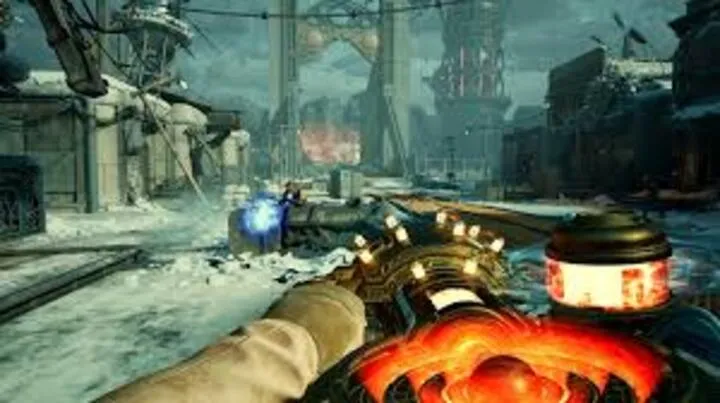
The humor in The Outer Worlds 2 is sharper, more biting. Where the first game poked fun at “Auntie Cleo’s” slogans and corporate absurdity, the sequel uses satire as a weapon. Billboards preach productivity while corpses rot beneath them. Bureaucrats use euphemisms like “unscheduled life cessation” instead of “death.”
Yet beneath the laughter lies despair. The writing pushes players to recognize how absurd systems endure precisely because they make us laugh. Humor becomes complicity—a way to normalize insanity. By making us laugh at injustice, The Outer Worlds 2 forces us to see how we’ve already done the same in real life.
5. The Player’s Paradox: Freedom in a Rigged System
Every decision in The Outer Worlds 2 feels empowering—until you realize the system is built to absorb rebellion. Even when you make noble choices, corporations twist your actions into new marketing campaigns. You might save a planet only to find a new brand of “heroism” merchandise with your face on it.
This is the game’s cruel brilliance. It asks: What does freedom mean in a world that monetizes every act of resistance? The player’s moral compass is tested not by clear good-or-evil dichotomies, but by the creeping realization that every choice sustains the same machine.
6. Environmental Storytelling: Planets That Think
Each new planet in The Outer Worlds 2 tells a story without words. One world, carved hollow for mining, still “breathes” through industrial vents. Another is a terraformed paradise collapsing under its own ecological contradictions. The environments are not just backgrounds—they are organisms reacting to human interference.
You don’t just explore planets; you inhabit the consequences of humanity’s ambition. Every crater, settlement, and ruin is a scar left by greed. By the time you reach the later worlds, the line between natural and artificial has blurred beyond recognition.
7. Companions and Consequence: A Crew of Contradictions
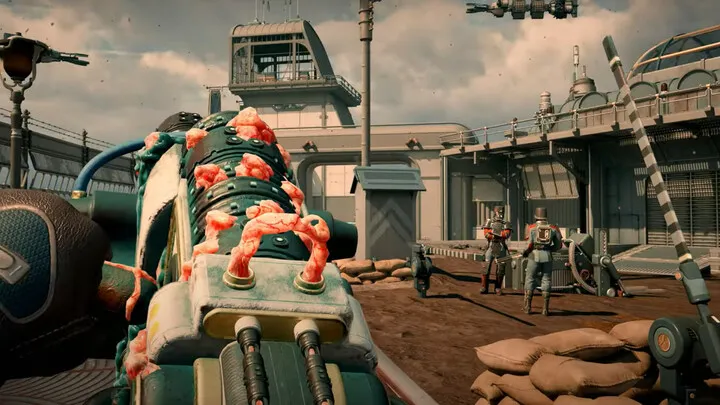
Your crew in The Outer Worlds 2 isn’t bound by loyalty alone—they evolve based on your philosophies. Encourage corporate compliance, and some companions thrive while others abandon you. Lead rebellions, and you’ll inspire hope but invite tragedy.
What makes these relationships powerful is that they’re not moral scorecards—they’re mirrors. Each choice reshapes how your companions see you and how they see themselves. In a universe where truth is branded and morality is optional, your companions are the last fragile voices of authenticity.
8. The Philosophy of Progress: Humanity’s Endless Sales Pitch
The heart of The Outer Worlds 2 beats with a question: Is progress possible without exploitation? Every invention, every new planet colonized, seems to demand suffering. The game’s corporations sell “hope” as a product, convincing settlers that sacrifice equals purpose.
This cynical worldview is grounded in brilliant writing. Even minor NPCs voice believable despair—workers who know the system is killing them but can’t imagine life without it. Progress becomes an addiction, and The Outer Worlds 2 holds up a mirror to our own age of endless innovation without introspection.
9. Breaking the Fourth Wall: The Self-Aware Universe
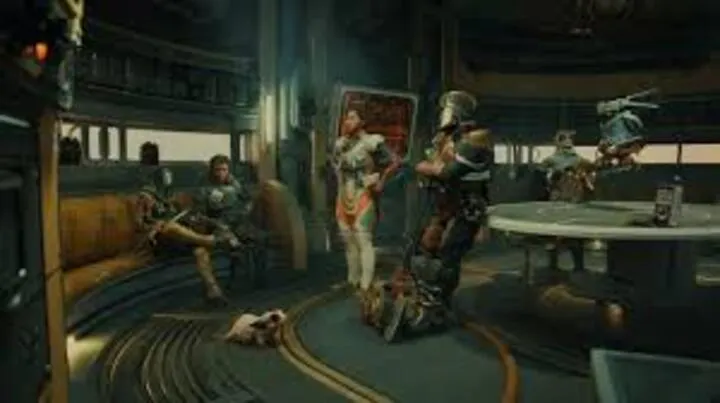
Obsidian has never shied away from meta-narrative, but The Outer Worlds 2 leans into it more than ever. Characters question quest structures, point out the absurdity of “choice mechanics,” and even joke about being rebooted for DLC. The universe knows it’s a simulation, and the player becomes part of the performance.
This self-awareness deepens the satire. When an NPC sarcastically thanks you for “selecting dialogue option number three,” the joke lands—but so does the critique. You begin to wonder whether you have agency at all, or if choice itself has become another illusion packaged for entertainment.
10. The Final Reflection: Beyond the Stars, Back to Ourselves
By the time the credits roll, The Outer Worlds 2 has done more than mock corporate space empires—it has dissected them. The game’s final moments, shrouded in ambiguity, leave the player with one haunting realization: no matter how far humanity travels, it cannot escape itself.
Its humor hides heartbreak. Its satire exposes truth. The Outer Worlds 2 doesn’t offer answers; it offers reflection. In every decision, we glimpse our own world’s hypocrisies magnified across the stars.
Conclusion
The Outer Worlds 2 isn’t just a sequel—it’s a revelation of irony and consequence. It amplifies the original’s wit into something grander and more unsettling, blending existential philosophy with black comedy in a universe where morality is a market and survival is a slogan.
Every laugh carries a sting, every victory a cost. Through its characters, planets, and satirical storytelling, the game challenges players to reconsider what it means to be free, moral, or even human in a world that has turned every virtue into a product.
And perhaps that’s The Outer Worlds 2’s final, silent joke: the most dangerous thing in the universe isn’t the alien, the machine, or the void—it’s us.